
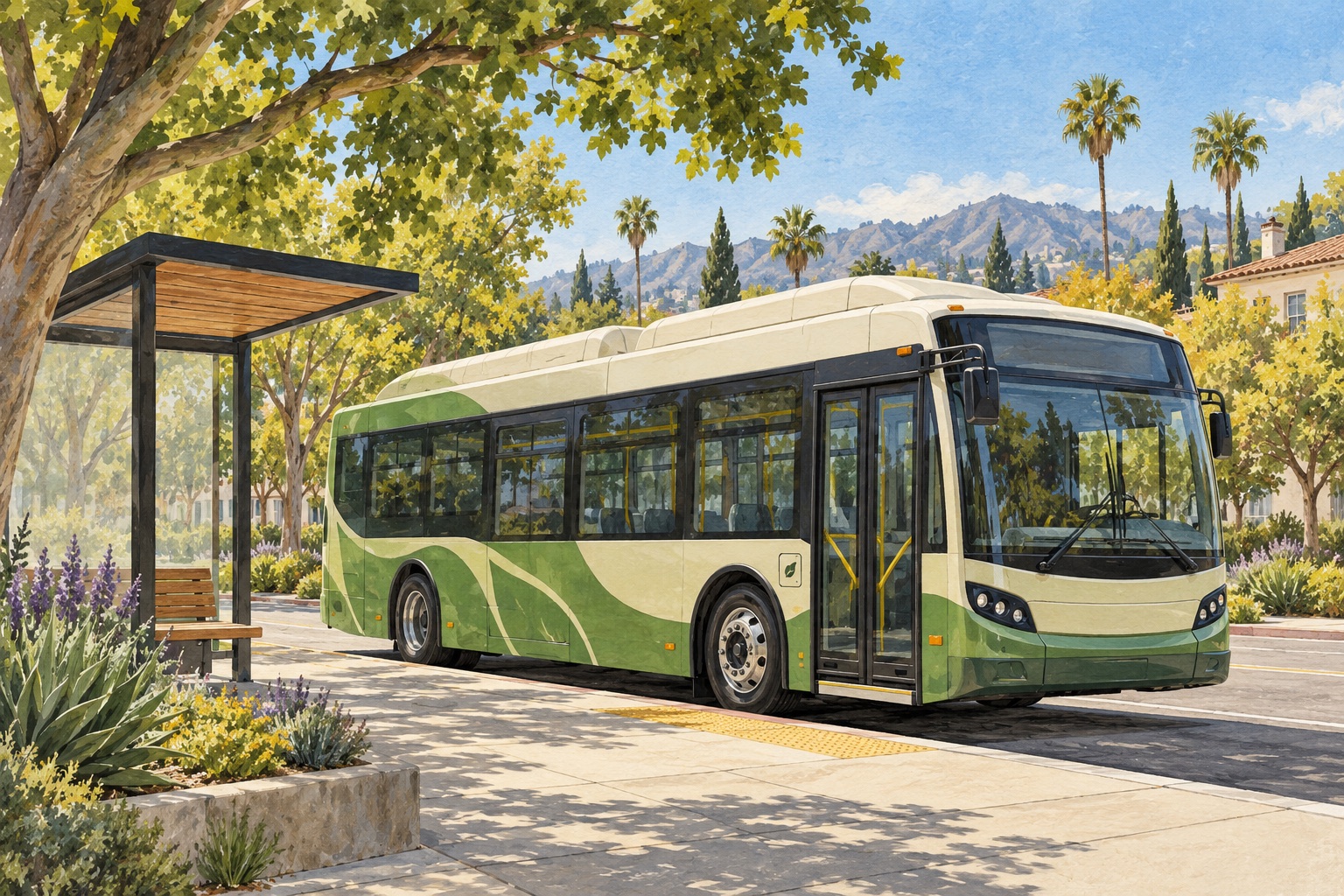
Picture the school pickup or a busy bus stop with less diesel exhaust. Replacing a diesel bus with a battery-electric one removes tailpipe emissions along its route, a tangible benefit for riders, drivers, and neighbors. Pair that cleaner vehicle with dependable service and the opportunity grows: more people can share a journey instead of each taking a car.
A global shift with different local speeds
The change is already reaching beyond one market. The IEA reports more than 70,000 medium- and large-electric-bus sales worldwide in 2024, 30% above the previous year. China accounted for less than 70%, compared with roughly 99% in 2017, as markets also developed in Europe and Latin America. These dated sales figures are not today’s operating fleet or a 2026 total; they show how the transition was broadening. Sources: IEA Global EV Outlook 2025
The opportunities and how to make them work
| Potential benefit | What must go right |
|---|---|
| No diesel tailpipe exhaust from the bus | Electricity-related pollution and remaining tire/road wear still need consideration. |
| Less energy wasted in stop-start driving | Heating, air conditioning, hills, heavy loads and cold batteries affect route energy. |
| Potentially lower energy and maintenance costs | Depot construction, electricity demand charges, financing, parts and downtime belong in the total-cost calculation. |
The benefits can extend beyond the route. The Union of Concerned Scientists explains how cleaner electricity can help electric buses reduce lifecycle climate emissions and harmful pollution relative to diesel. Its analysis also brings workers and supply chains into the picture. UCS is an advocacy organization with technical research, so its evidence and its policy position should be read with that context. Sources: UCS: Delivering Opportunity
Build the support for a successful fleet
A successful fleet change is a people-and-infrastructure project as well as a vehicle purchase. Drivers and maintenance teams need training and support; depots need chargers, electrical capacity, spares, and a contingency plan. Match charging to the timetable: overnight charging may fit one route, while a longer duty cycle needs a different approach. Coordinate the utility connection early so the buses can enter service when they arrive.
Make progress visible to the people who use the service. A public scorecard can track completed miles, missed trips, charger uptime, energy per mile, maintenance hours, and total cost per passenger trip. Compare a full year before and after, allowing for route differences. That tells a more useful story than an order announcement: cleaner buses doing the everyday work passengers rely on.
Cleaner buses people want to ride
The best opportunity combines cleaner fleets with buses people want to ride. A well-used bus shares manufacturing and energy across more passengers. Safe stops, useful frequency, accessible boarding, and dependable connections make leaving the car at home easier. If a route is little used, improving the service belongs alongside improving its powertrain.
In California, ask how your local agency will keep service dependable during depot construction and outages. Celebrate the exhaust reduction, and encourage reporting that includes costs, reliability, and lessons from difficult routes. A community that learns openly can help the next district make a smoother transition.